Animal feed is more than just daily nutrition—it directly influences growth, immunity, behavior, and long-term productivity. A well-balanced diet helps animals reach their genetic potential, supports disease resistance, and ensures overall well-being across different farming environments.
Understanding the Role of Animal Feed in Livestock Health
Animal feed is not just “something for them to eat.” What goes into the mix will show up in the animals. You see it in how fast they put on weight, how often they fall sick, and how well they handle heat, moving pens, or other daily stress on the farm. When the feed suits the animal and its stage of life, you usually get better growth, steadier milk yield, decent egg numbers, and calmer behavior in the herd or flock.
If the feed is poor, the problems come slowly. Maybe growth is a bit slower, or you notice more small illnesses here and there. Over time, weak nutrition, low energy, or missing minerals can drag the whole group down and increase losses, even though it may not stand out at first.
Why Feed Quality and Safety Matter
Feed is where everything starts in the food chain. If something is already wrong here, the impact does not stop at the animals. It can pass on to the people who later drink the milk, eat the meat, or consume the eggs. When feed is dirty, badly stored, or not properly balanced, problems will begin to show up on the farm, for example:
- Slower growth or lower output, because the animals are not getting enough from their ration.
- Digestive upsets and weak feed conversion, so more feed is used for less result
- Fertility problems, more vet visits, and higher treatment costs
- Residues or other unwanted substances ending up in milk, meat, or eggs
Sometimes, feed problems start from very small things. The grain might already carry mycotoxins, the storeroom may be slightly damp and allow germs to grow, or a bit of one batch ends up mixed into another. Even a simple weighing error when preparing the formula can throw everything off.
When feed is tested regularly and the storage area is kept dry, clean, and organised, it is easier to notice when something is not right. Farmers and feed mills can sort out the issue earlier and keep the herd or flock in better shape for the long term.
What We Offer for Animal Feed Testing
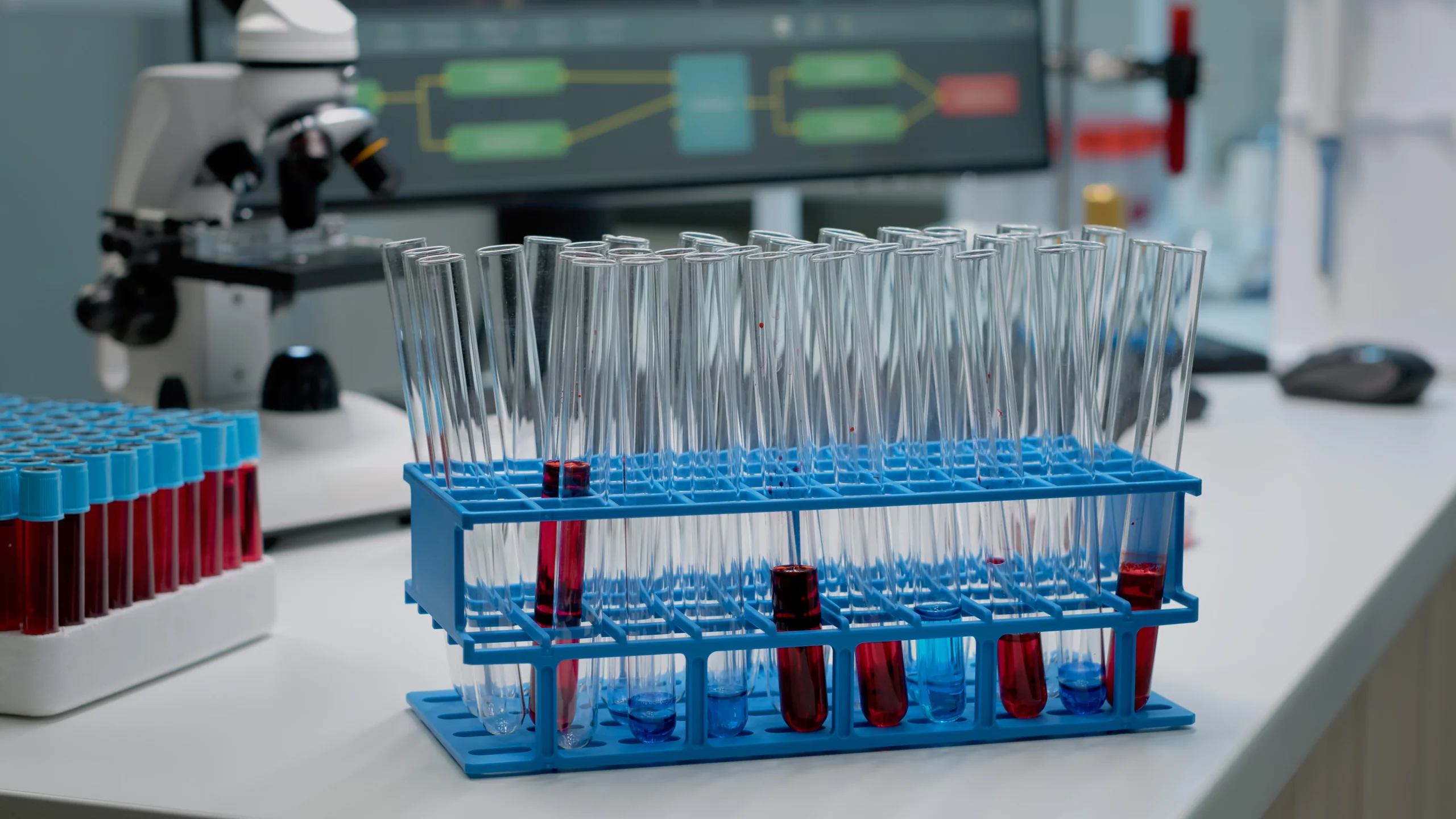
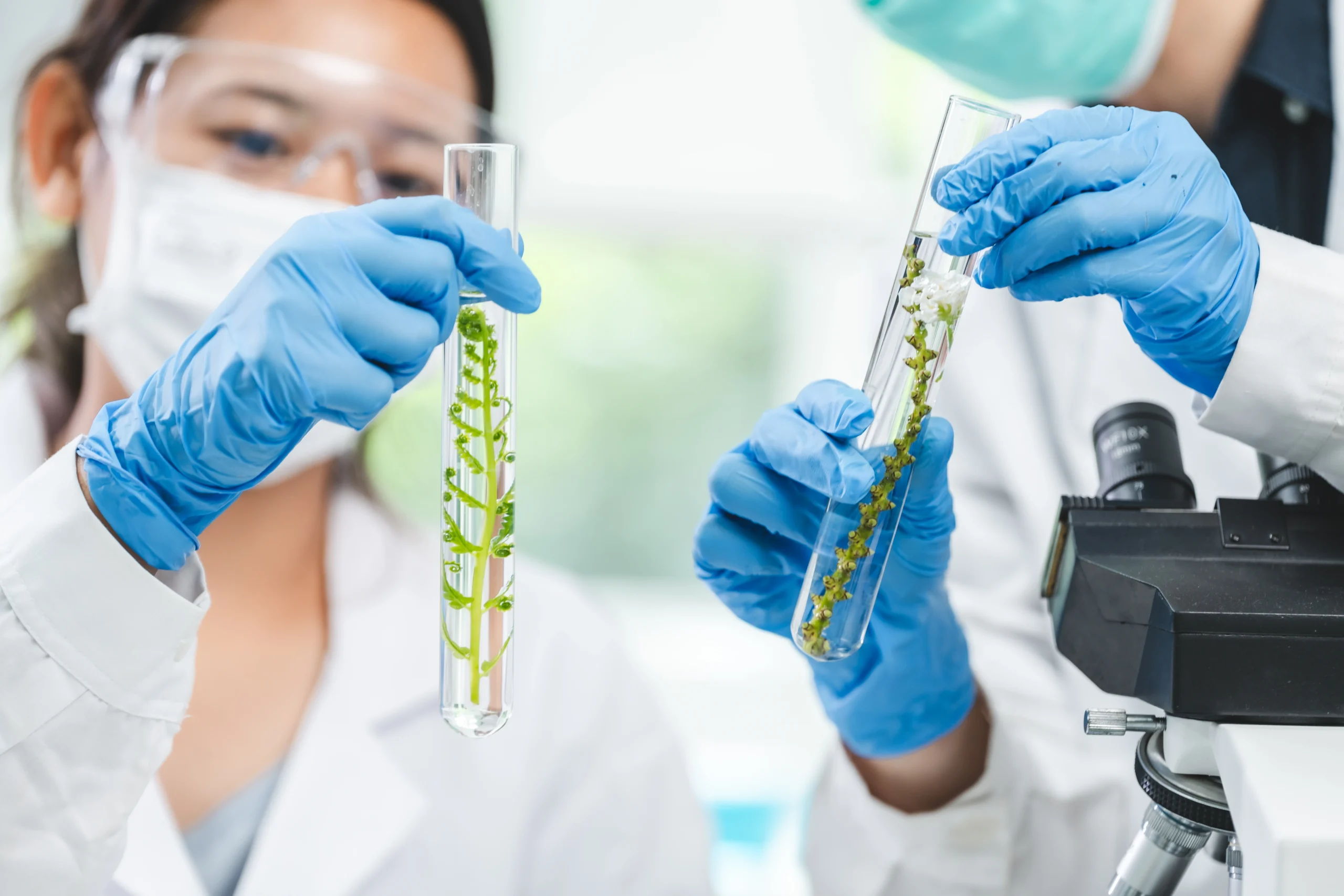
Perfect Laboratory (M) Sdn Bhd works with feed mills, integrators, farmers, nutritionists, and distributors who want to understand what is really inside their feed and raw materials. The aim is simple: to check that the feed is safe, consistent, and suitable for the animals it is meant for.
In our laboratory, we can look at basic composition and nutritional values, so you know whether the protein, energy, and other key nutrients match what you expect. We also carry out screening for selected mycotoxins and other unwanted substances that may enter through raw materials. On top of that, we can measure microbial load in feed and related samples, and help you verify the quality of ingredients, premixes, and finished feed before it reaches the animals.
All results are produced using suitable methods with proper quality control in place. This gives your team enough information to decide whether a batch can be used, needs adjustment or rework, or should be kept aside. With clearer data, it is easier to reduce waste, protect animal health, keep performance more stable, and have better documentation when dealing with customers, suppliers, or auditors.
Supporting Better Decisions on the Farm and at the Mill
Good test results make everyday choices easier. When you know what is really in your feed, you can:
- Compare the quality of different suppliers and stick with the ones you trust
- Adjust feed formulations based on measured nutrient values, not just book figures
- Keep an eye on mycotoxins and other contaminants and act before they cause bigger problems
- Use clear, dated reports to support discussions with customers, auditors, and regulators
Our job is to give you results that are simple to read and use, so you can decide what is best for your animals and your operation.