Cleaning Before the Next Job
In labs, clinics, hospitals, and food facilities, sterilization and disinfection are done as part of the usual routine. Before tools or surfaces are used again, they are cleaned properly so bacteria does not end up getting passed on to the next task. Disinfection is for cutting germ levels down to what is acceptable for that space. Sterilization is the higher level, used when you need everything removed, including spores that are harder to eliminate with normal cleaning.
For most daily cleaning, teams disinfect things like floors, work benches, door handles, and equipment that does not go into sterile work or touch sensitive samples. Sterilization is usually kept for higher-risk items such as surgical tools, certain lab instruments, and reusable glassware where “clean enough” is not good enough. The choice depends on how the item is used and what that room or process requires. When everyone follows the same routine properly, it helps prevent contamination and keeps both staff and handled products safer.
Benefits of Sterilization and Disinfection
Sanitization and sterilization help keep tools, equipment, and work areas safe for everyday use. Some of the main benefits include:
Lowers infection risk:
By properly treating surfaces and instruments, you cut down germs and reduce the chances of bacteria, viruses or spores spreading between people and onto products.
Safer for staff and patients:
Clean, properly treated items mean fewer accidental exposures during procedures, sample handling or routine work.
Supports organised workflow:
When the whole team follows the same cleaning routine, it becomes clearer which items are clean and ready, which have been used, and which are still waiting to be processed, so daily work feels more organised.
More reliable test and production results:
If glassware, tools and benches are properly cleaned and treated, there is less risk that hidden germs or residue will disturb test results or affect the quality of the final product.
Helps meet hygiene standards:
Clear routines for cleaning and decontamination make it easier during inspections to show that your team follows the written SOPs and the hygiene rules for your facility.
Frequently Asked Questions (FAQs)
Why do we need both sterilization and disinfection in one place?
Not every tool or surface carries the same risk. Lower-risk items can usually be cleaned and disinfected, but anything that may touch blood, tissue, or sterile areas needs to be sterilised.
What methods are commonly used for sterilization?
Most places use steam in an autoclave. For items that cannot take high heat, dry heat, gas or low-temperature systems are used. The method depends on the material and what the manufacturer says is allowed.
Who decides which items need sterilization and which need disinfection?
Usually this is set by infection control, QA, or the lab/clinic management. They look at guidelines, maker’s instructions and local rules, then group items by risk and decide which ones go for sterilization and which ones are fine with disinfection only.
What personal protective equipment should staff use?
Gloves are the bare minimum. For a lot of jobs, staff also use eye or face protection, especially when handling chemicals or opening hot machines. Some products need extra PPE and good airflow, as stated in their safety data sheet.
What happens if the battery runs out during logging?
If the battery dies, the logger stops recording and may lose the clock. Most devices keep the stored data, but no new readings are taken. It is good practice to check battery status regularly for critical units.
What are chemical and biological indicators in sterilization?
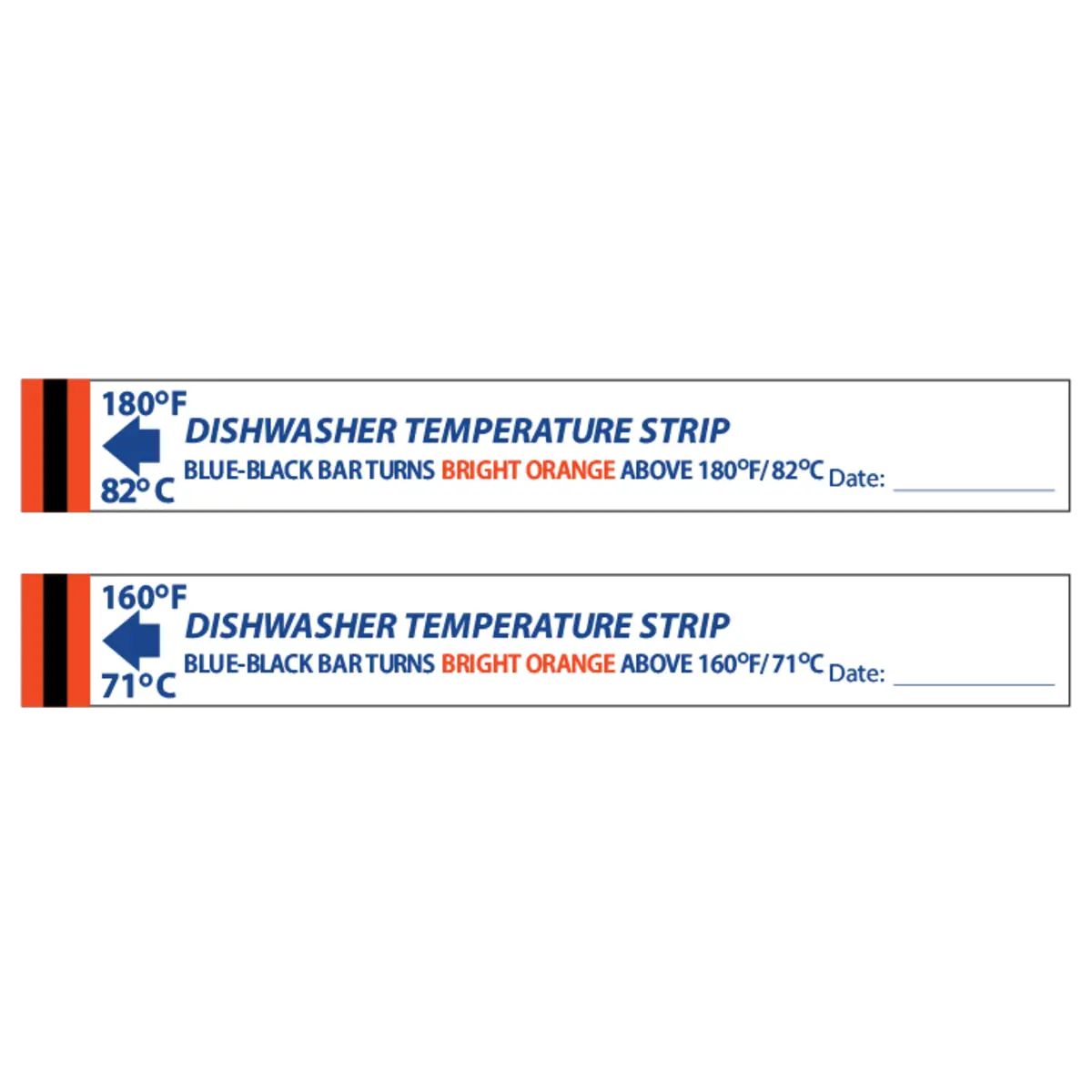
Chemical indicators are simply tapes or strips that change colour once the sterilizer reaches the set time and temperature. Biological indicators are small test packs that contain resistant spores. After the cycle, they are checked or incubated to see if anything is still alive. If nothing grows, the cycle has done its job.
Get the Sterilization and Disinfection Support You Need
Not sure which product suits your setup? Contact Perfect Laboratory (M) Sdn Bhd for advice and pricing. Our team will help you pick the right tools to keep your decontamination steps accurate, reliable, and compliant with your process requirements.