Monitoring Temperature-Sensitive Shipments
The cold chain indicators is basically how you keep certain products cold while they move from place to place. It can be a walk-in chiller in the warehouse, a refrigerated truck on the road or that short waiting time at the loading bay. Products like vaccines, lab test kits and chilled food need this steady cold environment. If the temperature goes off for too long, the product may still look normal from the outside, but the quality might already be affected.
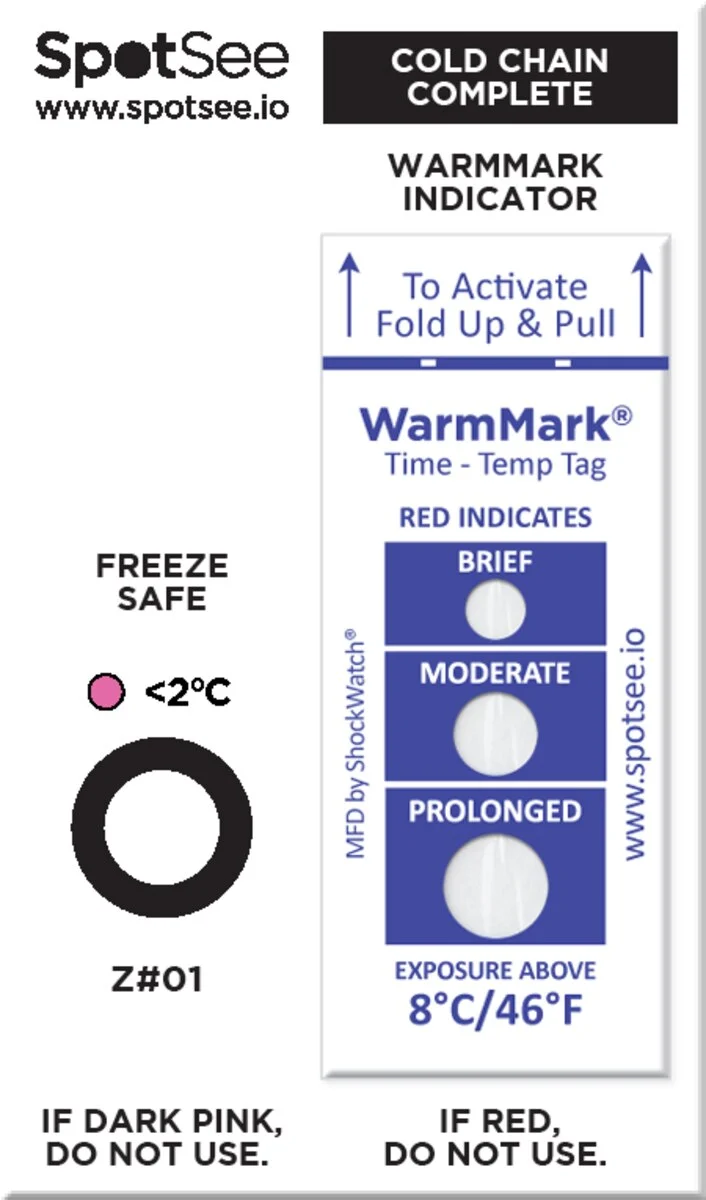
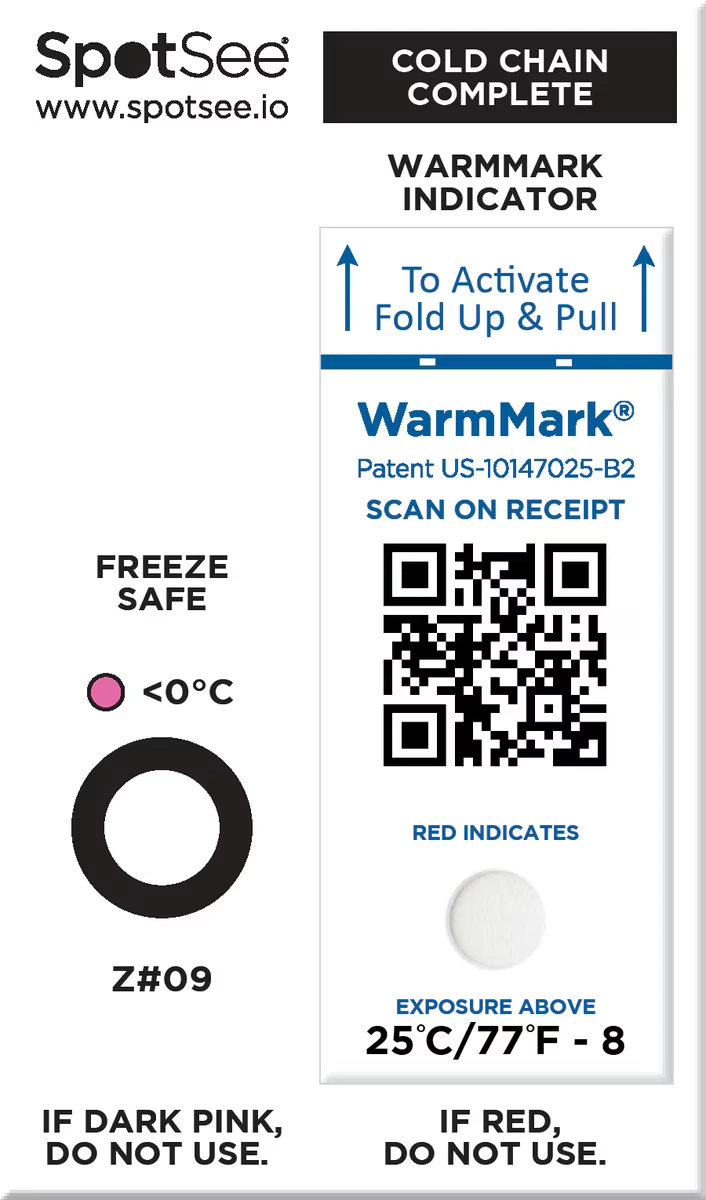
If you work with temperature-sensitive products, it is not enough to just assume everything stays cold along the way. You need some proof that the goods were handled properly, cold chain indicators help with this by showing if there were any unwanted temperature changes during storage or transport. A quick look at the indicator tells your team whether a shipment stayed within the set range or if something went wrong in the truck, in the warehouse or during unloading. This makes it easier to separate good stock from questionable items before they reach patients or customers.
This helps your team identify issues early and keep shipments reliable.
Benefits of Cold Chain Indicators
Cold chain indicators give you a simple way to check what happened to your products along the journey, not just at the final stop. Some key benefits include:
Quick visual proof:
One glance at the indicator tells you if the product stayed within the allowed temperature range or not.
Better decision making:
Staff can separate “ok to use” and “needs to be checked or rejected” without guessing or relying only on paperwork.
Protects product quality:
By catching temperature issues early, you reduce the chance of using compromised pharmaceuticals, diagnostics or chilled food.
Reduces wastage and complaints:
Clear evidence helps you avoid sending doubtful stock to customers and reduces the risk of returns or product recalls.
Supports audits and compliance:
When needed, cold chain indicators can be kept as records to show that temperature-sensitive shipments were monitored.
Frequently Asked Questions (FAQs)
Where should I place the indicator in the packaging?
Place the indicator near the actual product, ideally inside the inner carton, rather than on the outer shipping box.This helps it reflect the actual conditions the product experiences. It should be clearly visible so that staff at the receiving end can check it easily.
Are cold chain indicators single-use or reusable?
Usually, they are single-use. Once the indicator changes, it will not go back. That is the point, it leaves a clear sign that the product hit the wrong temperature at some stage.
What types of products should use cold chain indicators?
They are useful for temperature-sensitive items like vaccines, insulin, lab test kits, chilled and frozen food, and certain chemicals that can go off easily. If the label says “store at 2–8°C” or “keep frozen,” that is exactly the kind of product that should have an indicator.
Do cold chain indicators replace temperature data loggers?
Not really. They serve different purposes. A data logger tracks the full temperature history over time, while an indicator only shows whether the product ever went outside the safe range. Many companies use both, with loggers for detailed tracking and indicators for a quick check when goods arrive.
How do I read a cold chain indicator?
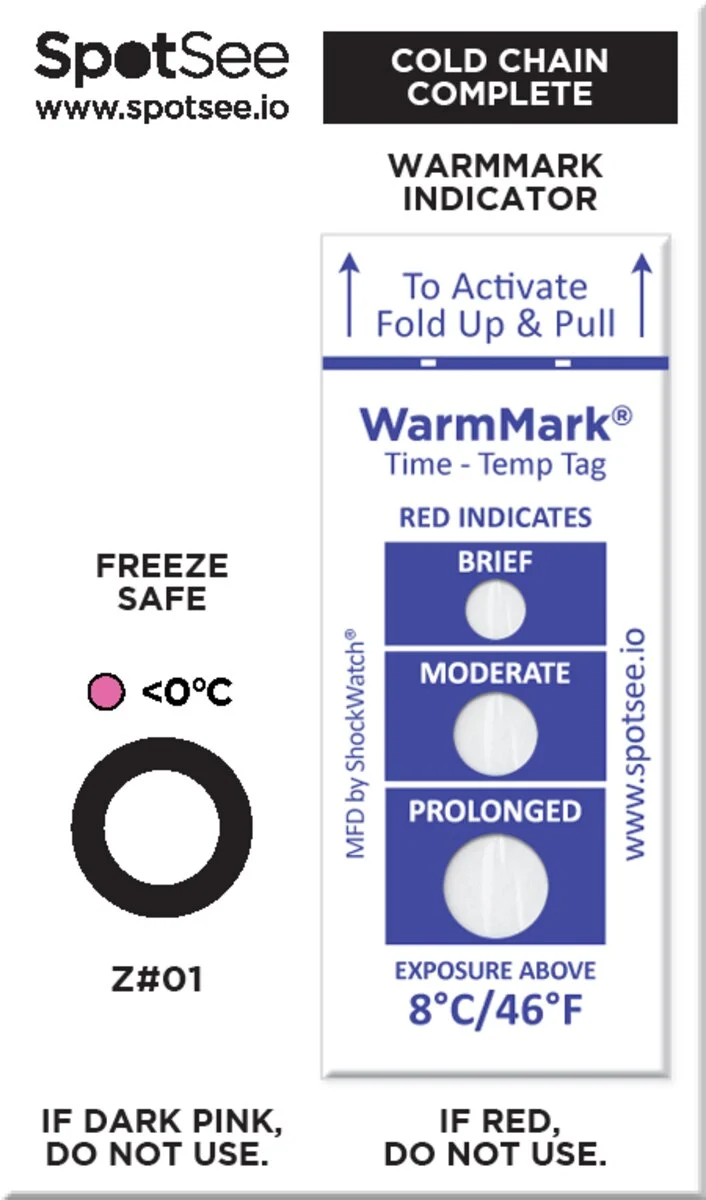
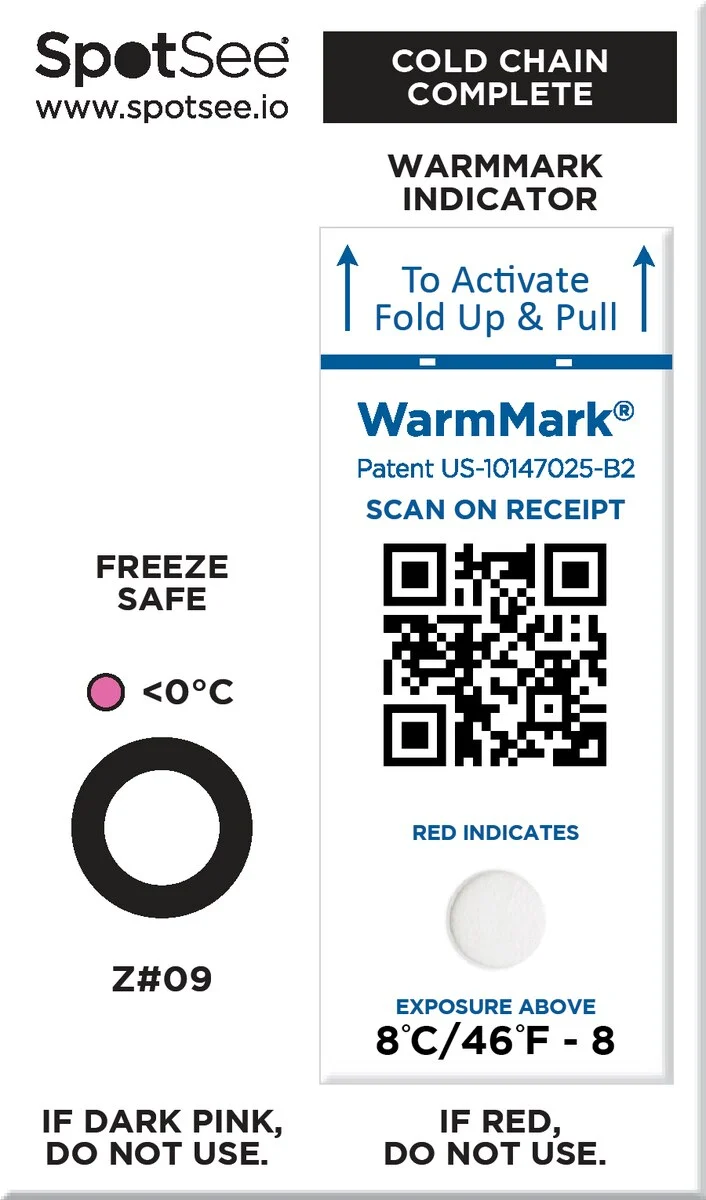
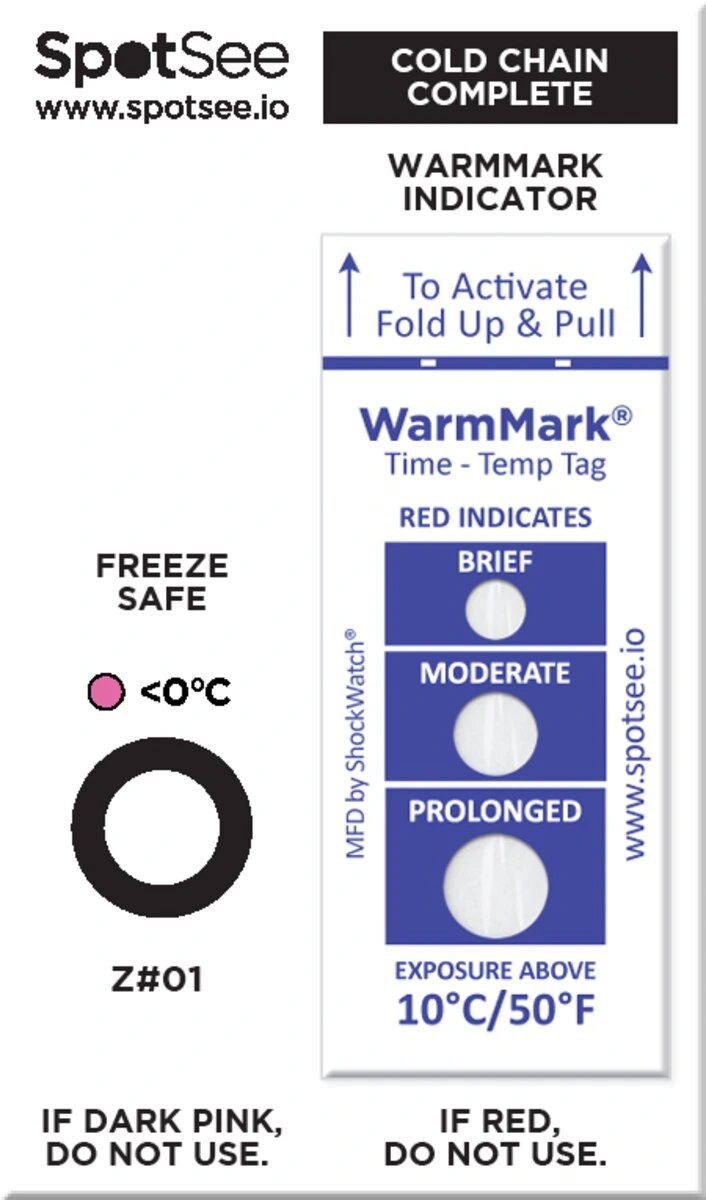
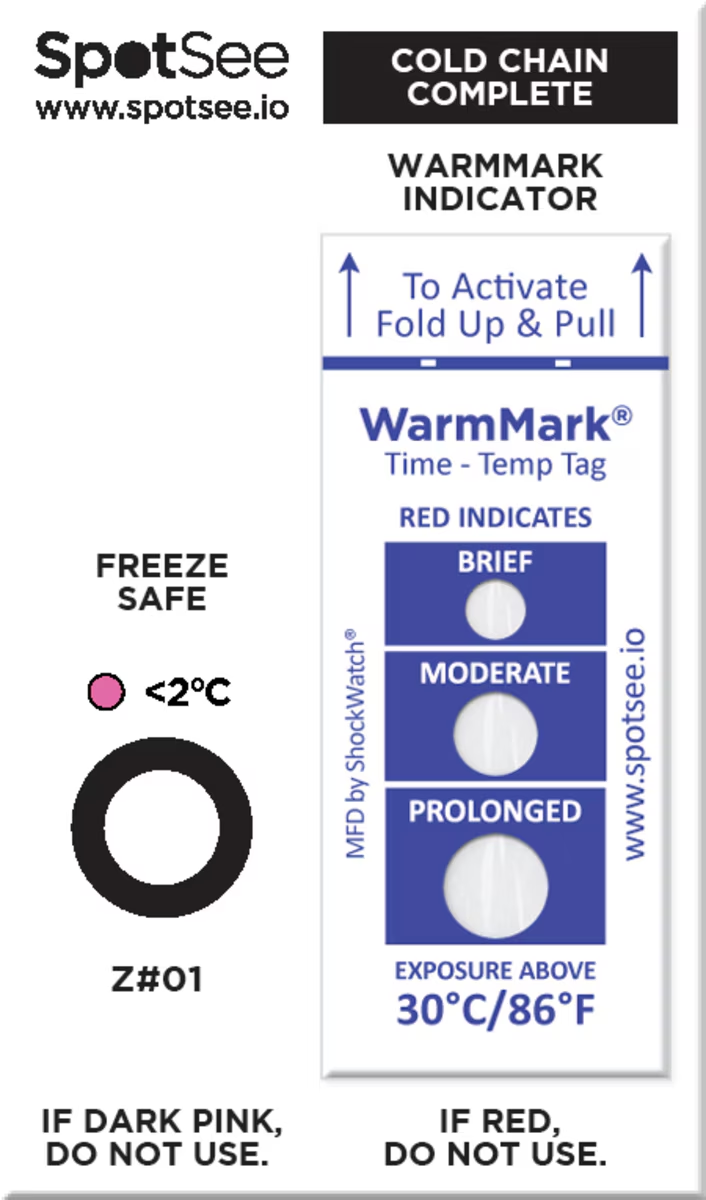
Each type of indicator is designed a bit differently, but they work in a similar way. Usually there are one or more small windows or panels that change colour once the set temperature limit has been reached. The packaging or datasheet will explain what “OK” looks like and what “triggered” looks like so your staff can make a quick decision.
Can cold chain indicators be used for frozen products?
Yes. There are indicators designed for frozen goods that trigger when the temperature goes above a set limit or when a product has thawed. These are useful for frozen food, some biologics and materials that must remain below a certain temperature.
Can I use cold chain indicators for domestic and export shipments?
You can use them for both. Many companies start with critical export lanes, then extend use to local deliveries once they see the benefits. The indicators stay with the shipment, whether it is going to a nearby customer or being sent to another region.
How accurate are cold chain indicators?
Good quality indicators are manufactured and tested to react within a specified temperature tolerance. They are not a substitute for a calibrated thermometer or data logger, but they give you a clear visual warning that the product may have been exposed to temperatures outside the recommended range.
Find the Cold Chain Indicators That Suit Your Supply Chain
If you are unsure which cold chain indicator suits your product, you can reach out to Perfect Laboratory (M) Sdn Bhd for guidance and a quotation, and our team will help you match the right solution to your storage and shipping needs.